
Many dog owners perceive a peculiar odor from their pet’s mouth as a certain inconvenient but unavoidable “natural norm.” In reality, the breath of a healthy animal should not cause discomfort to those around it. The appearance of an unpleasant odor, known in medicine as halitosis, is not just an aesthetic defect, but a clear diagnostic marker indicating a serious imbalance in the body. Ignoring this symptom or trying to hide it with peppermint treats can lead to chronic inflammation, tooth loss and even internal organ disease.
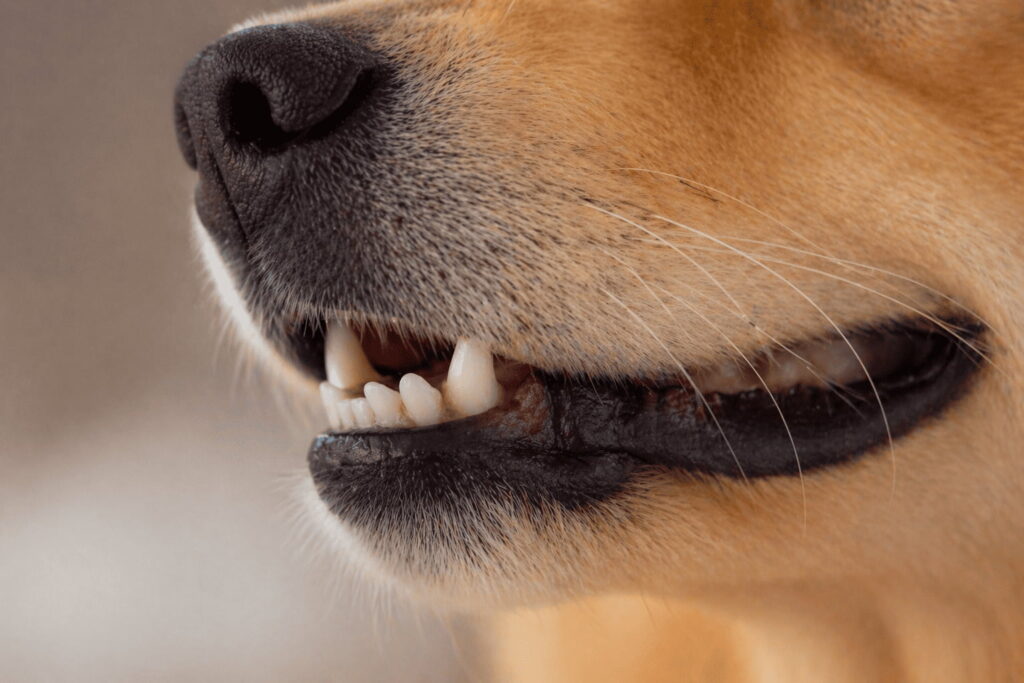
The root cause of most oral problems lies in a microbial imbalance. A dog’s mouth is a densely populated ecosystem in which billions of bacteria are in constant interaction. When the beneficial microflora is suppressed, putrefactive microorganisms take its place. It is the products of their metabolism – volatile sulfur compounds – that are the source of the pungent odor.
Key factors provoking the development of halitosis
Understanding the causes of the problem is the first step to solving it effectively. Veterinary specialists distinguish between several levels of risk:
- Sludge mineralization. Food debris and saliva form a biofilm, which begins to develop into tartar within 48 hours. This is an ideal “fortress” for pathogenic bacteria.
- Gingivitis and periodontal disease. The constant presence of aggressive bacteria causes inflammation. In advanced cases, the infection enters the bloodstream, reaching the heart and kidneys.
- Mucosal dysbiosis. The deficit of friendly protective bacteria makes the mucosa defenseless against external agents and pathogens.
- Anatomical features. In some breeds (e.g., brachycephalic), due to the structure of the jaw, self-cleaning of the muzzle is hindered, requiring increased attention to hygiene.
Standard methods of fighting back – mechanical cleaning or “bone-biters” – work only superficially. To really solve the problem, the qualitative composition of the oral microflora must be changed.
Probiotic approach: how do beneficial bacteria work?
Modern veterinary science offers an innovative solution – the use of probiotic cultures in mouth hygiene. The technology, based on the introduction of Bacillus spp. strains, makes it possible not only to clean the teeth, but also to restart the animal’s local immunity. Unlike antiseptics, which destroy the entire flora without differentiation, probiotics work selectively and effectively.
Advantages of a systems approach to hygiene:
- Competitive dominance. Beneficial bacteria actively colonize the space, depriving pathogens of nutrients and the ability to attach themselves to the enamel.
- Enzymatic purification. Probiotic cultures produce enzymes that break down plaque structure at the molecular level, making it loose and easy to remove.
- Mitigating inflammation. Normalization of the microbiome promotes rapid healing of small wounds on the gums and reduces their bleeding.
- Long-lasting freshness. Since the very cause of decay is eliminated, the odor disappears naturally, and the effect lasts much longer than with masking sprays.
Regular support of the oral microbiome is a guarantee of your pet’s longevity. By combining proper nutrition, regular checkups and the use of modern biological hygiene products, you can completely free your dog from dental and breath problems. Remember: fresh breath is first and foremost a sign of health, not the result of perfumed additives.
