
A dog’s paws are a complex tool created by nature to move over a variety of surfaces. However, under modern urban conditions, paw pads are exposed to tremendous stresses to which they are not biologically adapted. Aggressive chemical reagents, hot asphalt, ice and gasoline stains on roads gradually destroy the skin barrier, leading to cracks, burns and healing wounds.
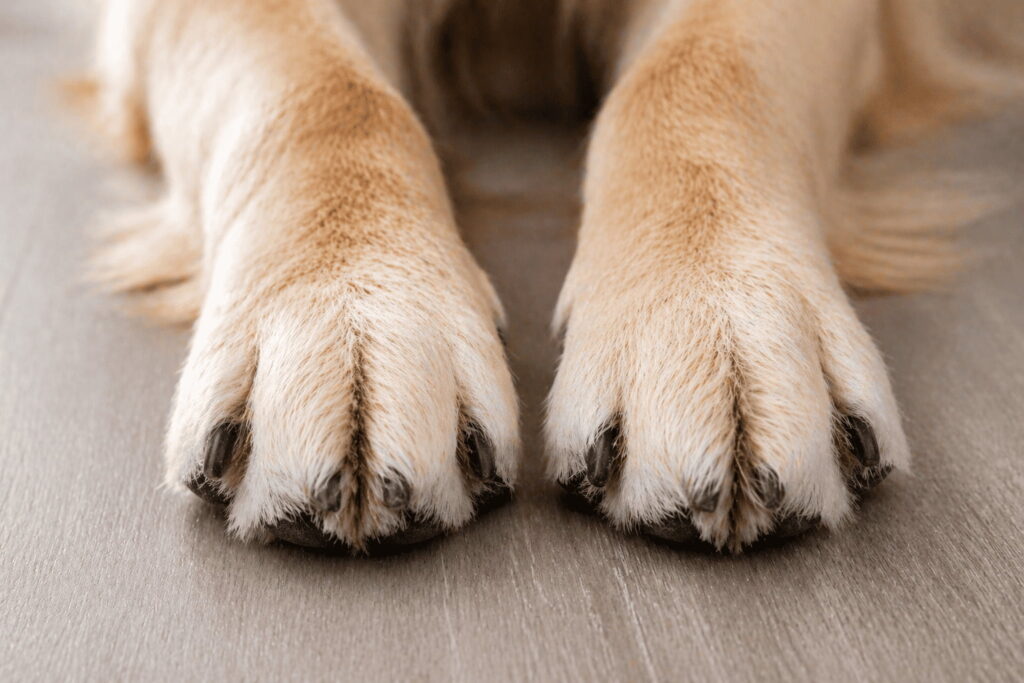
Paw pads have a unique structure, but are devoid of sebaceous glands, making them susceptible to dryness. When the natural barrier is breached, toxins and salt penetrate into the deeper layers of the tissues, causing not only local irritation, but also allergic reactions. Protecting paws is not a luxury, but a basic hygienic necessity that requires a systematic approach at all times of the year.
Main threats to pawpaw health
Each season brings different challenges for a pet’s skin. The owner needs to understand the specifics of the impact of external factors in order to take timely steps.
- Winter period: Road salt and chemical mixtures for melting ice literally “tear” living tissue. Getting into the microcracks, they cause severe pain and inflammation.
- Summer heat: The temperature of asphalt can exceed 60°C, leading to thermal burns.
- Mechanical damage: Sharp edges of ice, broken glass and spikes damage the epidermis, opening the way for infections.
- Moist environment: Constant moisture promotes the proliferation of pathogenic fungi and bacteria between the toes, causing itching and odor.
Protective wax: an essential part of walking
One of the most effective ways to prevent damage is to use a specialized protective wax. This product forms a thick, waterproof layer on the surface of the pads, which acts as an invisible “shoe”.
Wax based on natural ingredients (beeswax, lanolin, vegetable oils) performs several functions simultaneously. It blocks direct contact of the skin with reagents and petroleum products, prevents snow from sticking between the fingers, and protects against slipping on ice. In addition, the high-quality wax deeply nourishes the skin, preventing it from hardening and cracking. It should be applied immediately before going outside, paying special attention to the spaces between the toes.
Step-by-step algorithm for post-walk care
Protection begins before you leave home, but ends with proper care when you return. Simply washing with water is often not enough to remove all toxic substances.
- Thorough cleaning. Use lukewarm (not hot!) water and gentle cleansers. It is important to completely remove residual sand and salt.
- Taking care of the microbiome. After washing, probiotic sprays based on Bacillus spp. strains are recommended. This is crucial for restoring the balance of beneficial bacteria that have been destroyed by urban chemistry. Probiotics inhibit pathogenic flora and accelerate the healing of microcracks.
- Inspection and disinfection. Regularly check your pads for splinters or cuts.
- Moisturizing and nourishing. If the paw skin has become too rough, use restorative lotions to restore its elasticity.
By investing time in daily paw hygiene, you save your pet pain and yourself costly visits to the vet. Healthy paws allow your dog to enjoy an active life at any age, regardless of the weather outside the window. Remember that prevention is always simpler and more humane than treating chronic dermatitis or burns.
